

Wake Forest Estate Administration Attorney
Guiding families and executors through estate administration in Wake Forest, North Carolina since 1995.
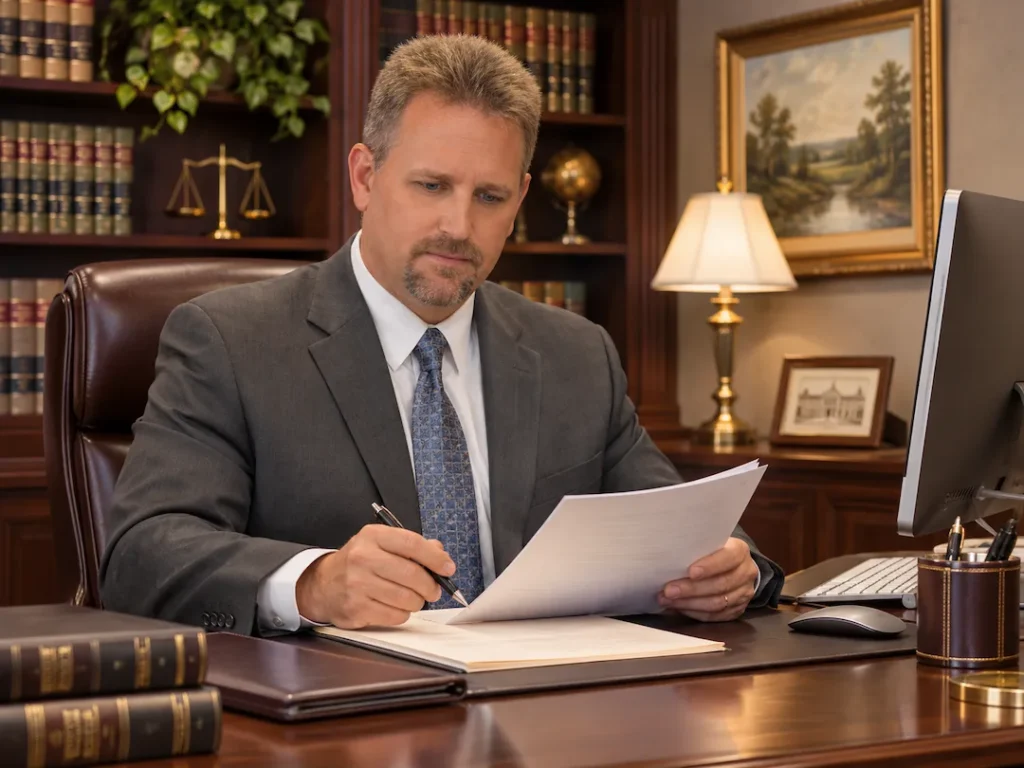
The Doyle Law Offices, P.A. provides estate administration services to executors and families in Wake Forest and greater Wake County. Hank Doyle, practicing since 1995, founded the firm and is its only attorney. Hank leads your consultation and sees the estate through to its final implementation. There is no screener to get past: our staff supports scheduling and paperwork, and Hank handles the legal work.
Once you engage us, the documents needed to open the estate are ready for your review within 10 business days, barring extraordinary circumstances.
Call (984) 235-1067 or use the form below to schedule a consultation with our Wake Forest estate administration attorney.
What to Expect When Working with The Doyle Law Offices
- Schedule your initial consultation with founding attorney Hank Doyle by calling (984) 235-1067 or using the form below.
- Meet with Hank at our Wake Forest office, by appointment. He confirms which county the estate belongs in and whether it needs full administration or a shorter path.
- Once you engage the firm, the documents to open the estate are ready for your review within 10 business days, barring extraordinary circumstances.
- Hank files with the Wake County Clerk of Superior Court in Raleigh, where you qualify as personal representative and receive letters.
- From there, Hank handles the inventory, the notice to creditors, debts, distributions, and the final accounting, advising you before each decision until the Clerk closes the estate.
The First 90 Days of Estate Administration in North Carolina

The process runs on deadlines from day one. Qualification before the Clerk comes first, since nothing can lawfully happen with the deceased person’s solely owned assets until letters are issued. A sworn inventory of the estate is due within three months of qualification. Notice to creditors is published early, and its response window sets the floor on how quickly any estate can close. We pinpoint these dates at the first meeting so nothing is missed.

What a Personal Representative Takes On
Serving as executor or administrator is a legal role with personal responsibility attached. Under Chapter 28A of the North Carolina General Statutes, the personal representative must qualify before the Clerk, inventory the estate’s assets, publish notice to creditors, pay valid debts and final taxes, distribute what remains, and account to the Clerk until the estate closes. Mistakes along the way, from missed deadlines to improper distributions, can fall on the representative personally. Our role is to keep that from happening: we prepare the filings, track the deadlines, and advise you before decisions become problems.

Your Dedicated Estate Administration Attorney
Here to help you from start to finish.
What to Bring to the First Meeting
You do not need everything to get started. The most useful items include a copy of the death certificate, the original will if one exists, a recent statement for each account you know about, the deed to any real estate, and the bills that have arrived since the death. If pieces are missing, we help you track them down; locating assets is part of our job. If you can’t find any of these documents, don’t hesitate to contact us; we can assist you in locating these documents.

Serving as Executor From Out of State
It’s common for the executor named in a parent’s will to live in another state by the time the estate is opened. North Carolina allows a nonresident to serve as personal representative, but adds requirements, including appointing a North Carolina resident as agent for service of process. Our office serves as the local counsel that keeps a long-distance administration on track: we prepare and file the required documents, appear at the courthouse when needed, and keep the estate moving so that distance does not become delay.
How The Doyle Law Offices Can Help
Our estate administration services cover the full engagement: qualification and probate filings, asset inventory and valuation, creditor notices and debt resolution, final tax coordination, distribution under the will or under intestate succession when there is no will, and trust administration where a trust is part of the estate. If a dispute arises among heirs, our civil litigation background means the matter stays with one firm.
Frequently Asked Questions
Which county do we file in?
The county where the deceased person lived, not where the executor lives.
The executor named in the will lives out of state. Can they still serve?
Yes. North Carolina permits nonresident personal representatives, with added requirements, including a North Carolina resident appointed as agent for service of process. Local counsel typically fills the practical gap, handling filings and courthouse matters so distance does not stall the estate.
How soon does estate administration need to start?
There is no fixed statutory deadline to open an estate, but nothing can lawfully be done with the deceased person’s solely owned assets until the Clerk issues letters to a personal representative. Bills, property, and accounts wait in limbo, so starting promptly protects everyone.
What if the family disagrees during administration?
Disagreements among heirs or with the executor are common and usually resolvable with clear information about what the law requires. When they harden into disputes, we handle those too, through our inheritance disputes and civil litigation practice, so the estate does not need a second law firm.